

OEM Microphone Sourcing Checklist for B2B Buyers
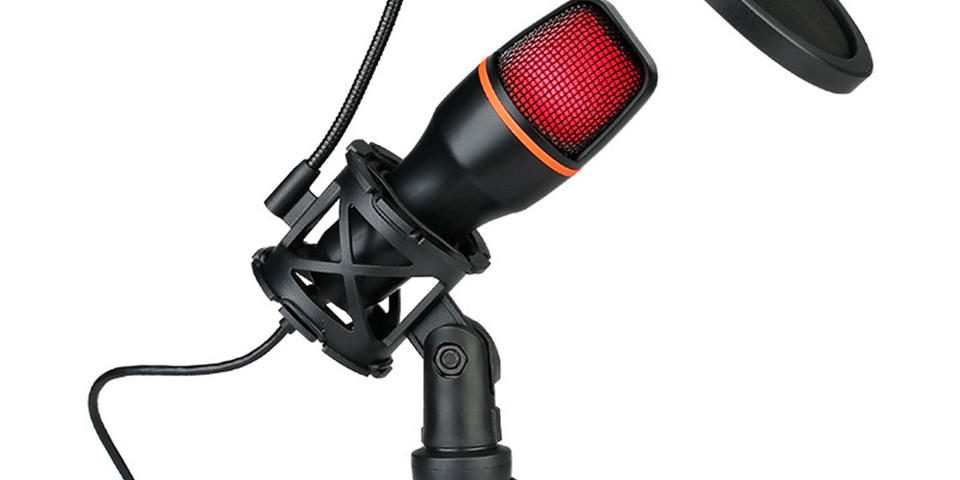
OEM microphone sourcing is easier when the buyer and supplier start with the same expectations. Many B2B buyers begin by asking for a price list, but price is only one part of a successful order. A microphone project also depends on product matching, customization details, sample confirmation, quality control, packaging, and communication before mass production.
For importers, distributors, online sellers, retailers, and project buyers, a clear checklist can save time and reduce mistakes. It helps the supplier understand what you want, and it helps your team compare quotations more fairly. This guide explains what buyers should prepare before working with an OEM microphone supplier in China.
1. Define the Main Sales Channel First
Before choosing a microphone model, define where the product will be sold and who will use it. A product that works well for a live-streaming store may not be the right choice for a school, conference room, church, stage rental company, or electronics distributor.
If you sell online, you may need products that are easy to explain with photos and short selling points, such as USB microphones, lavalier microphones, desktop microphones, and studio microphones. If you supply event companies or audio dealers, wireless handheld systems and related accessories may be more important. If your customers work with meeting rooms or public speaking projects, conference microphones and gooseneck microphone solutions may be a better fit.
This step matters because OEM sourcing should not start with a random model. It should start with the market problem you want to solve.
2. Prepare a Clear Product Direction
A supplier can respond faster when the product direction is clear. You do not need a complete engineering file at the beginning, but you should prepare basic requirements. For example:
- Product type: USB microphone, XLR microphone, wireless microphone, lavalier microphone, conference microphone, or accessory bundle
- Target users: creators, gamers, teachers, meeting rooms, performers, churches, schools, or resellers
- Expected price level: entry-level, mid-range, or more professional
- Required accessories: cable, stand, shock mount, pop filter, adapter, carrying case, or user manual
- Packaging needs: neutral box, customized color box, retail packaging, or bulk packing
When these points are prepared, the supplier can suggest suitable models instead of sending a long catalog that may not match your market.
3. Separate Standard Wholesale From OEM Customization
Not every order needs deep customization. Some buyers only need standard wholesale products with stable supply. Others need private label support, logo printing, customized packaging, or product bundles. These are different sourcing paths.
Common OEM microphone requests include logo printing, packaging design, manual customization, color adjustment, accessory combinations, and barcode labeling. More advanced ODM requests may involve structure changes, circuit adjustment, tooling, firmware, or a new product concept. These projects require more time, clearer technical review, and usually a higher MOQ.
A practical approach is to begin with proven models, then add controlled customization where it improves your selling position. This reduces development risk and helps your first order move faster.
4. Confirm the Sample Standard Before Mass Production
Samples are not only for checking appearance. For microphone products, buyers should also check sound performance, connection stability, noise level, accessories, packaging, and actual user experience. A sample should answer a simple question: can this product be sold confidently in your market?
When reviewing samples, do not only rely on one quick test. Try the microphone in the environment where your customers are likely to use it. For a USB microphone, test it with a computer. For a lavalier microphone, test voice pickup, clip position, and phone compatibility. For a wireless microphone, check distance, pairing, interference, battery life, and receiver connection.
After the sample is confirmed, keep the approved details clear. If the sample includes a specific cable, box, manual, logo position, or accessory set, these details should be recorded before mass production.
5. Ask About Quality Control in Practical Terms
Quality control should be discussed in practical language. Instead of only asking whether the factory has QC, buyers should ask what is checked and when. For microphone sourcing, useful QC points may include appearance, function, sound pickup, buttons, connectors, wireless pairing, charging, packaging, labels, and accessories.
For larger orders, it is also useful to confirm how defects are handled. Ask whether the supplier can provide inspection photos, basic test records, replacement policy, and clear communication before shipment. The goal is not to make the process complicated. The goal is to avoid surprises after the goods arrive.
6. Check Packaging and Market Readiness
Packaging is often underestimated in audio equipment sourcing. For online sellers, packaging affects product reviews and return rates. For distributors and retailers, packaging affects shelf presentation and local sales support. For project buyers, packaging can affect delivery efficiency and storage.
Before placing an OEM microphone order, confirm the box size, carton quantity, logo position, product name, barcode, manual language, and accessory layout. If you sell through ecommerce channels, product photos and packaging consistency should also be considered early.
7. Build a Wider Audio Product Line Carefully
Many buyers start with microphones and later add related products. This can be a smart way to increase order value and serve more customer needs. Depending on your market, related products may include audio mixers and sound cards, microphone stands, cables, adapters, pop filters, shock mounts, monitoring earphones, and other audio accessories.
The key is to keep the product line connected. A microphone plus a suitable stand, cable, or sound card is easier to sell than a random collection of unrelated items. A sourcing partner with a broader audio equipment range can help buyers build a more complete product offer.
8. Keep Communication Simple and Specific
Good supplier communication is not about sending long messages. It is about giving the right information at the right time. When contacting an OEM microphone supplier, prepare your product direction, order quantity estimate, target market, customization needs, packaging requirements, and expected timeline.
Clear communication also helps the supplier give a more useful quotation. A price without accessory details, packaging details, and MOQ conditions is hard to compare. A complete quotation should help you understand what is included, what can be customized, and what may affect cost or lead time.
Final Thoughts
OEM microphone sourcing works best when buyers treat it as a structured process. Start with the sales channel, define the product direction, separate standard wholesale from OEM customization, confirm samples carefully, discuss QC in practical terms, and prepare packaging details before mass production.
FANGWU supports global buyers with microphone and audio equipment sourcing, OEM/ODM support, product matching, packaging coordination, and stable communication for repeat orders. If you are preparing a new microphone product line or looking for related audio accessories, you can contact FANGWU with your product direction and target market for a practical sourcing discussion.