

Wireless Microphone Systems for Distributors: What to Check Before Bulk Orders
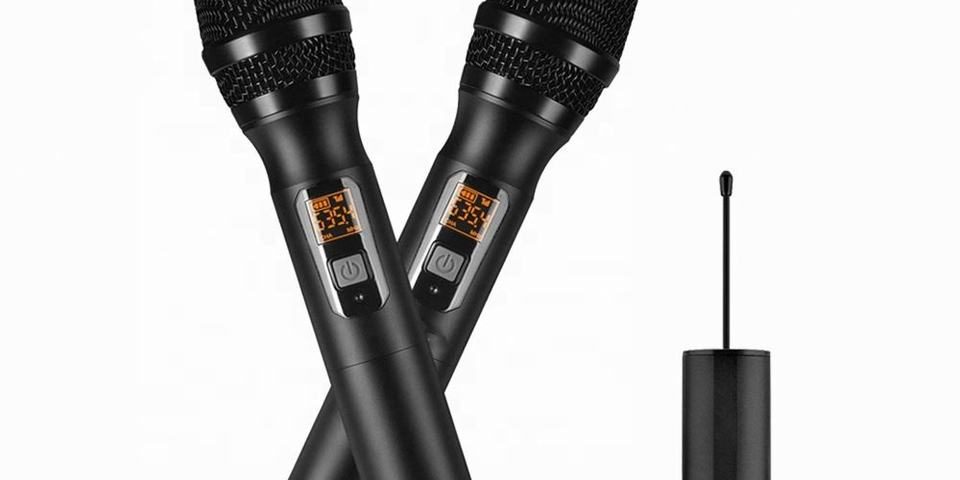
Wireless microphone systems can be profitable products for distributors, retailers, online sellers, and project buyers, but they are not the kind of item to buy only by looking at a product photo. A stable wireless microphone order depends on the complete system: transmitter, receiver, frequency range, capsules, batteries, antennas, packaging, accessories, and after-sales support.
For B2B buyers sourcing from China, the better question is not simply “Which model is cheapest?” It is “Which wireless microphone system can I sell repeatedly with fewer complaints and clearer positioning in my market?” This guide walks through the practical checks to make before placing a bulk order.
Start with the market use case, not the catalog
A wireless microphone for a small classroom, a karaoke room, a church hall, a livestream seller, and a rental stage setup may look similar online, but the buyer expectations are different. Before comparing prices, define the main use case for your order:
- Retail and online sales: clear packaging, easy setup, stable basic performance, and low return rate matter most.
- Distributor stock: model continuity, spare parts, and repeatable supply are important.
- Project buyers: installation environment, interference risk, and channel planning should be checked early.
- Brand or OEM buyers: logo, manual, packaging, labeling, and SKU structure need to be confirmed before mass production.
If your product line includes several microphone types, it is also useful to separate wireless handheld systems from lavalier sets, conference microphones, USB microphones, and studio microphones. FANGWU’s microphone product range can help buyers compare related categories before narrowing down a purchasing plan.
Check frequency requirements before confirming the model
Wireless microphone performance is closely linked to frequency selection. Importers should confirm what frequency ranges are acceptable in the target market and what documentation or labeling may be required. Even when the product is technically well made, the wrong frequency plan can create sales restrictions or customer complaints.
For bulk orders, ask your supplier to confirm:
- Available frequency bands for the selected model
- Whether the system supports fixed or adjustable frequencies
- How many sets can work together in a normal venue
- Whether the product is intended for simple consumer use or more professional applications
- What information can be shown on packaging, manuals, and product labels
This is one reason a professional microphone manufacturer in China should discuss the application and market before pushing a single model. Good communication at this stage prevents avoidable mismatch later.
Review the full system configuration
Many wireless microphone quotations look similar until you compare what is actually included. A distributor should check the complete package, not only the microphone body and receiver.
Key configuration points include receiver type, handheld microphone material, capsule style, display, antenna design, power adapter, cable, carrying case, user manual, and outer carton. If batteries are not included, the packaging and manual should make that clear. If the order is for online retail, the unboxing experience also matters because it affects customer reviews and return rates.
For example, buyers reviewing a product such as a UHF dual channel wireless microphone system should confirm whether the final order version matches the sample version in accessories, logo position, and package layout.
Ask for quality control points in plain language
Wireless microphones need practical QC checks. Instead of only asking whether quality is good, ask what will be tested before shipment. A useful QC discussion should cover sound pickup, connection stability, operating distance, channel matching, switch buttons, battery compartment, receiver output, power adapter, packaging, and carton strength.
For distributors, consistent QC is often more important than one perfect sample. The sample can be carefully selected, but the bulk order needs repeatable inspection. Before placing a large order, ask how the supplier checks normal production units and whether photos or inspection notes can be shared before shipment.
Compare price together with continuity of supply
A low first-order price is not enough if the model changes too quickly or cannot be supplied again after your customers start buying it. For distributors and online sellers, stable sourcing helps protect product listings, customer expectations, and repeat orders.
When comparing wireless microphone suppliers, ask these practical questions:
- Is this model a regular supply model or a short-term promotion model?
- Can the same appearance and package be maintained for repeat orders?
- What is the usual lead time after sample approval?
- Which accessories or spare parts can be supplied later?
- Can the supplier support mixed orders with related audio products?
Buyers who are building a wider audio catalog can also review FANGWU’s audio equipment product selection, including microphones, stands, cables, monitoring products, speakers, amplifiers, and accessories.
Plan OEM and packaging details early
OEM work should not be left until the last moment. If you need a brand logo, private label packaging, barcode label, instruction manual, color box, sticker, or carton mark, confirm those requirements before production starts. Small packaging details can delay shipment if they are handled after the order is already in progress.
For a first order, a simple but clear OEM plan is usually better than an overcomplicated one. Start with the most important items: logo placement, model name, package language, manual language, and carton shipping marks. After sales feedback is collected, the packaging and product bundle can be improved in the next order.
Request a realistic sample review
A sample should be checked in the same way your customers will use the product. Test the setup process, microphone handling noise, receiver connection, vocal clarity, distance in a normal room, packaging durability, and the clarity of the manual. If you sell online, take your own product photos and check whether the product has enough selling points for your listing.
Do not judge the sample only in a quiet office. Wireless microphones are often used in rooms with speakers, people, mobile phones, walls, and other electronic equipment. A realistic test gives you better information before you commit to a larger purchase.
Work with a supplier that responds quickly
Wireless microphone sourcing involves more communication than a simple accessory order. Frequency options, logo files, package artwork, product bundles, lead time, inspection details, and shipment planning all need fast replies. For importers and distributors, response speed can directly affect launch timing.
FANGWU supports B2B buyers with microphone and audio equipment sourcing from China, including wireless microphones, conference microphones, lavalier microphones, USB and XLR microphones, microphone stands, audio cables, monitoring headphones, speakers, amplifiers, and related accessories. Buyers can also review our microphone wholesale page for broader sourcing context.
Final takeaway
A good wireless microphone bulk order is built on practical checks: correct market positioning, suitable frequency options, complete system configuration, repeatable QC, stable supply, and clear OEM details. When these points are confirmed early, distributors can reduce after-sales pressure and build a product line that is easier to reorder.
If you are comparing wireless microphone systems for your market, contact FANGWU with your target application, order quantity, branding needs, and required accessories. Our team can help you review suitable models and prepare a practical sourcing plan.